Stock & Steward serves as your strategic partner, helping landowners and conservation groups design and execute virtual fencing initiatives. Whether your objective is restoring native plant communities, protecting water sources, or maintaining wildlife corridors while running a profitable livestock operation, our advisory services help turn conservation goals into on-the-ground outcomes.
From Wire to Wireless: How Virtual Fencing is Changing Ranching
Virtual fencing is a GPS and collar-based technology that allows ranchers to define and manage grazing boundaries without physical wire or posts. Each animal wears a lightweight collar that receives boundary coordinates wirelessly. When an animal approaches a virtual boundary, the collar delivers an audio cue as a warning, followed by a mild corrective stimulus if the animal continues forward. Over time, cattle and other livestock learn to respect these invisible boundaries the same way they would a physical fence. The technology allows ranchers to move herds, rotate pastures, and manage grazing patterns remotely from a smartphone or computer — resulting in a plethora of economic, social and ecological benefits.
Virtual Fence News & Articles
Virtual fencing enables precise rotational grazing giving ranchers an effective tool to improve land health while maintaining productive livestock operations.
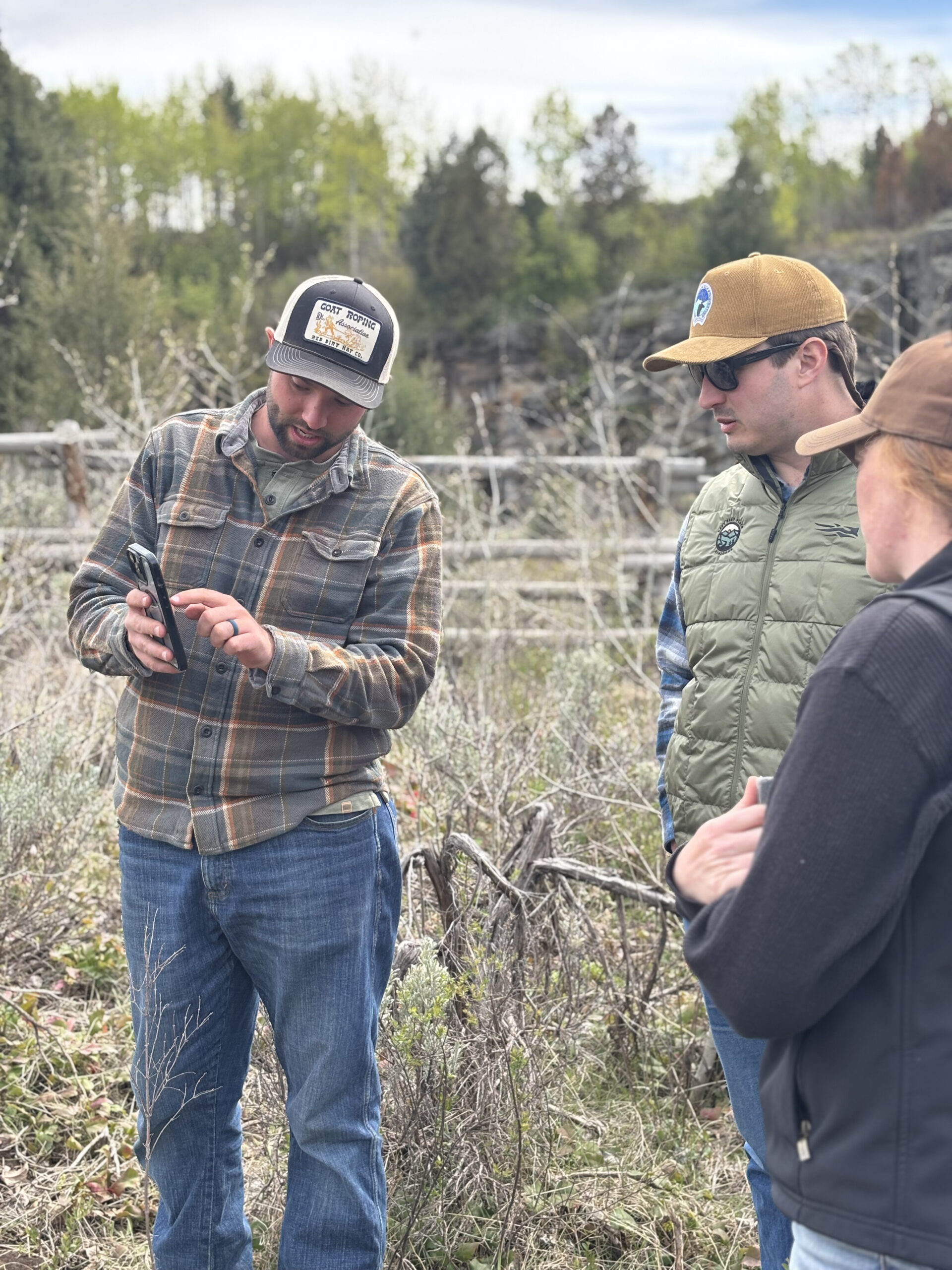
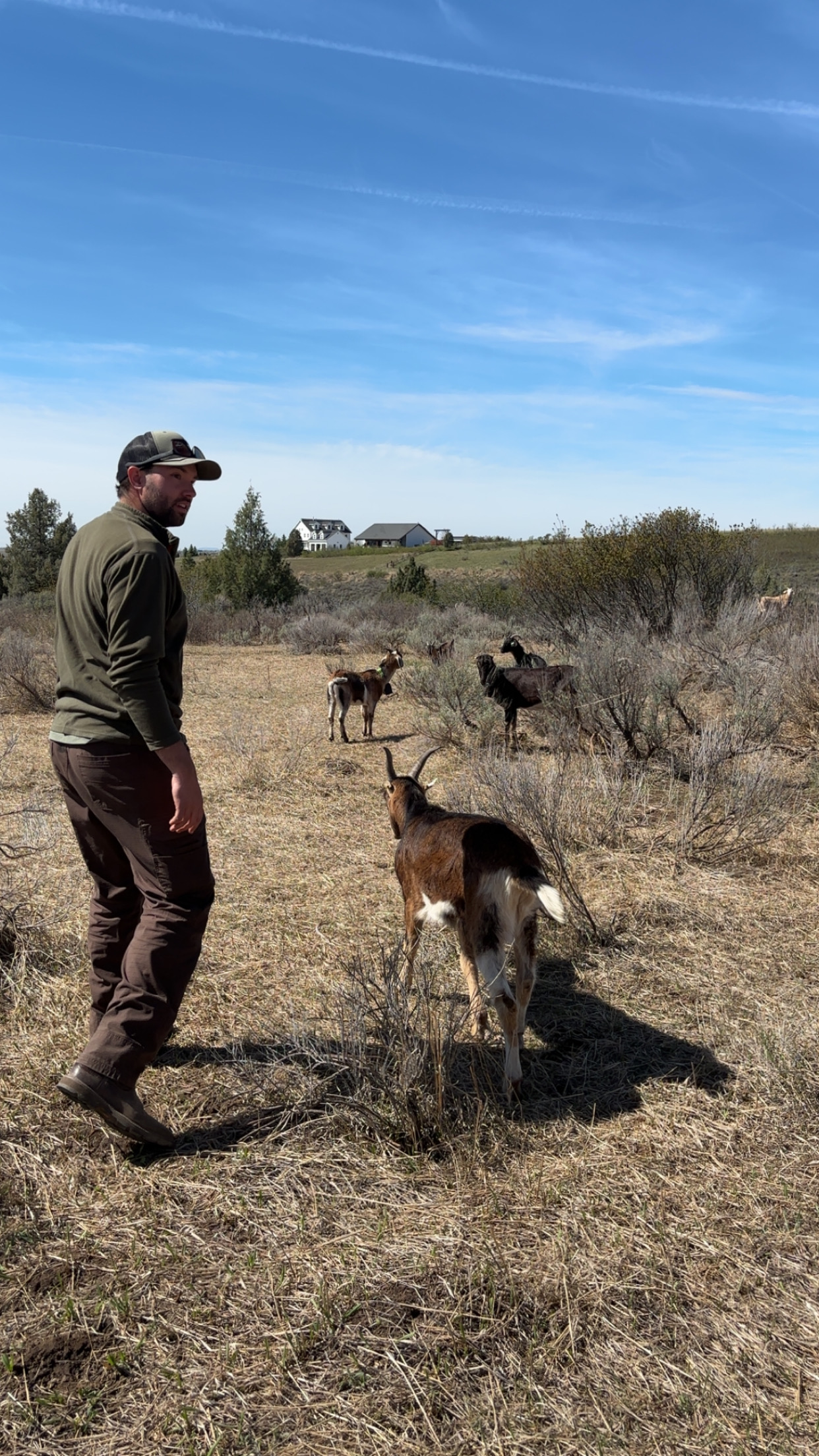
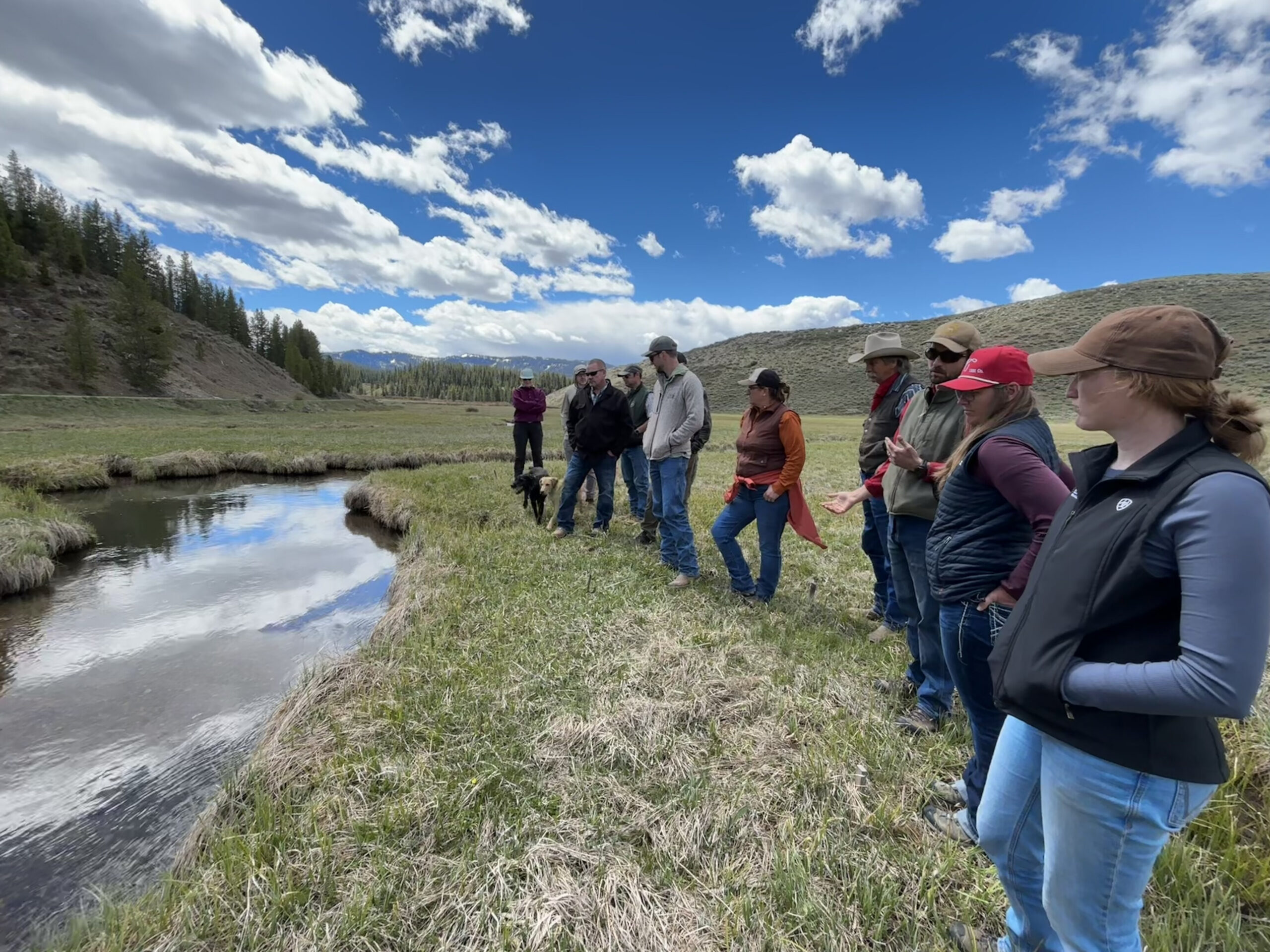
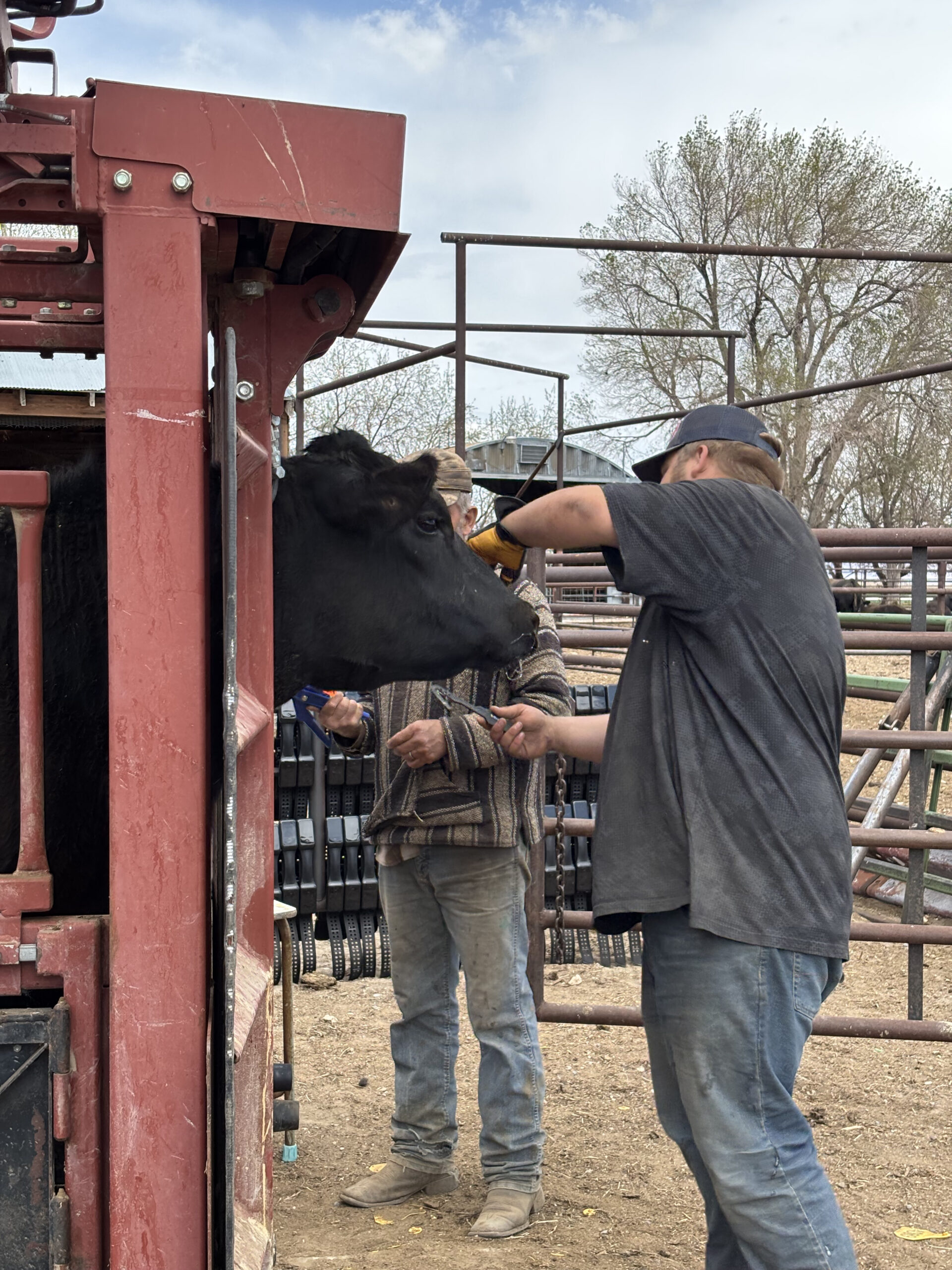
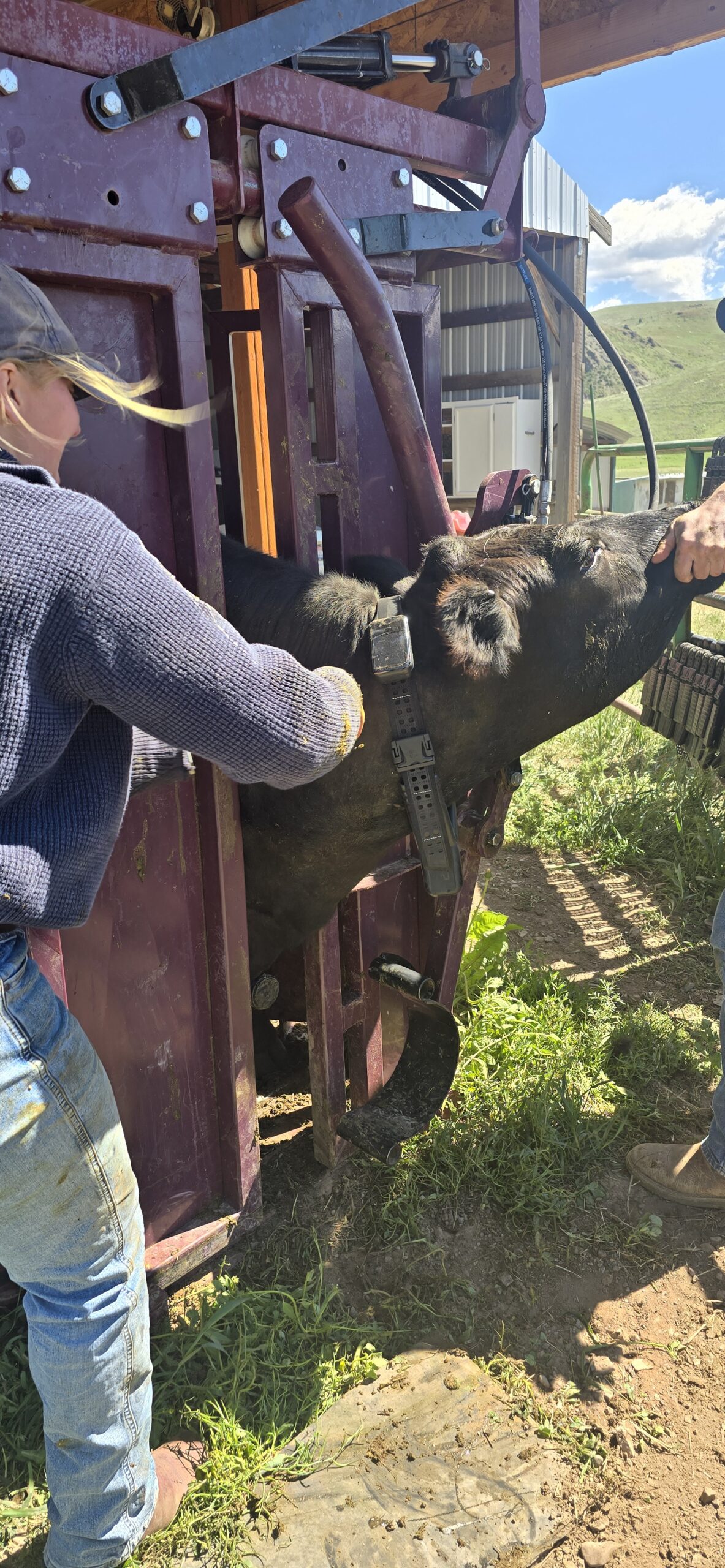
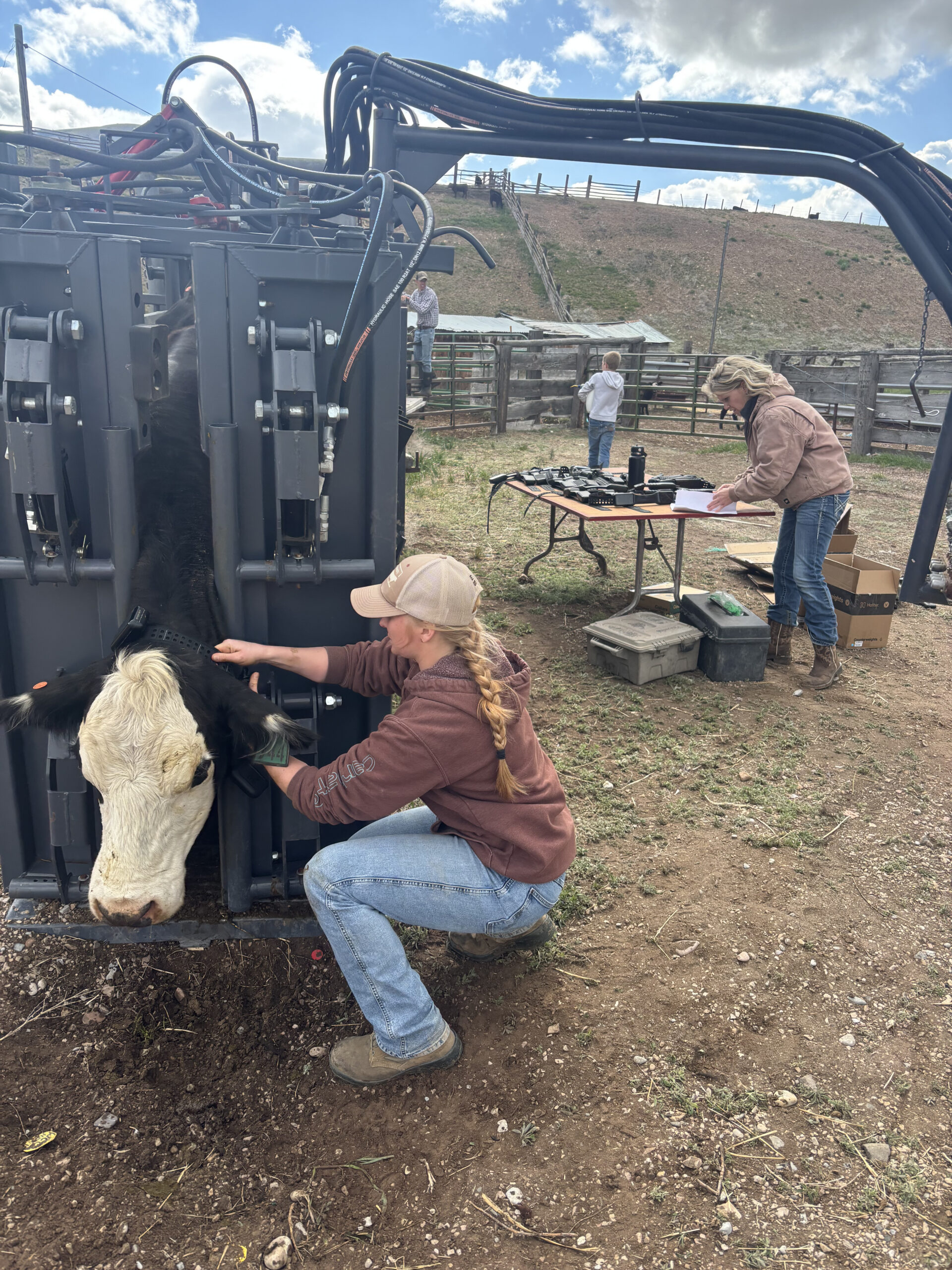
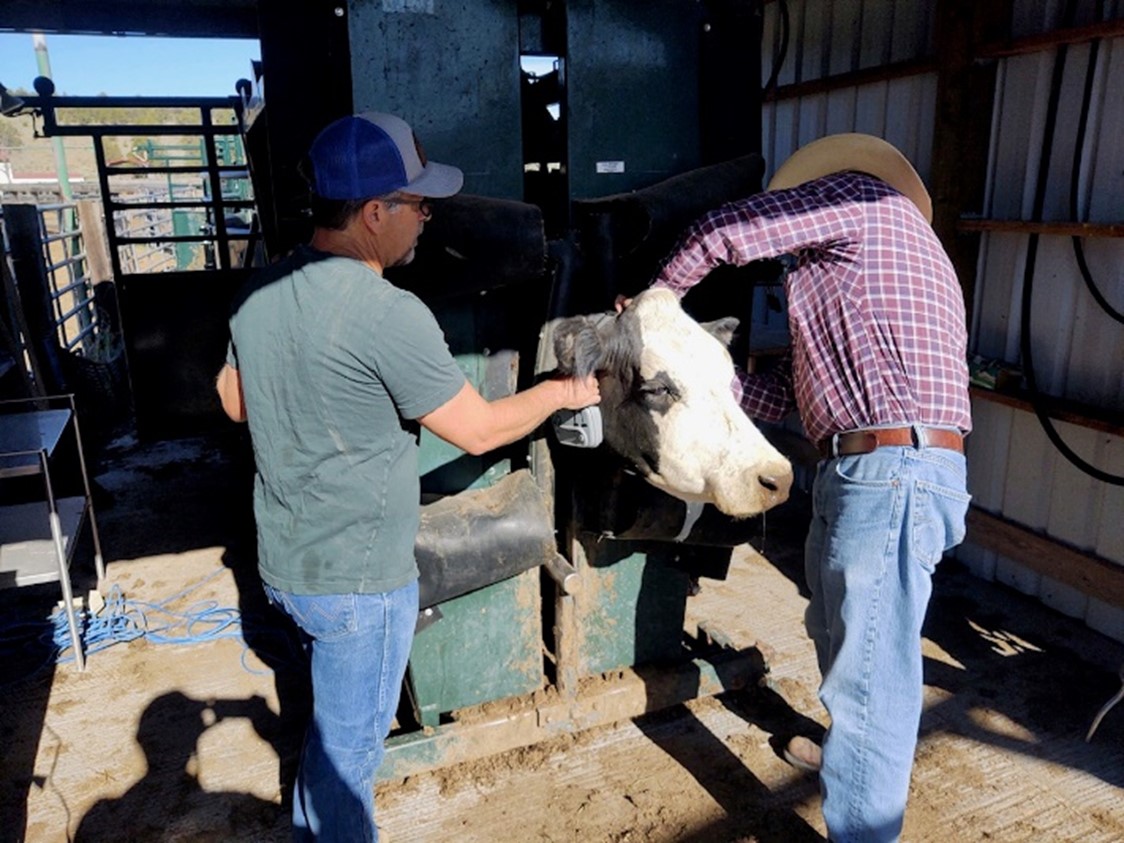
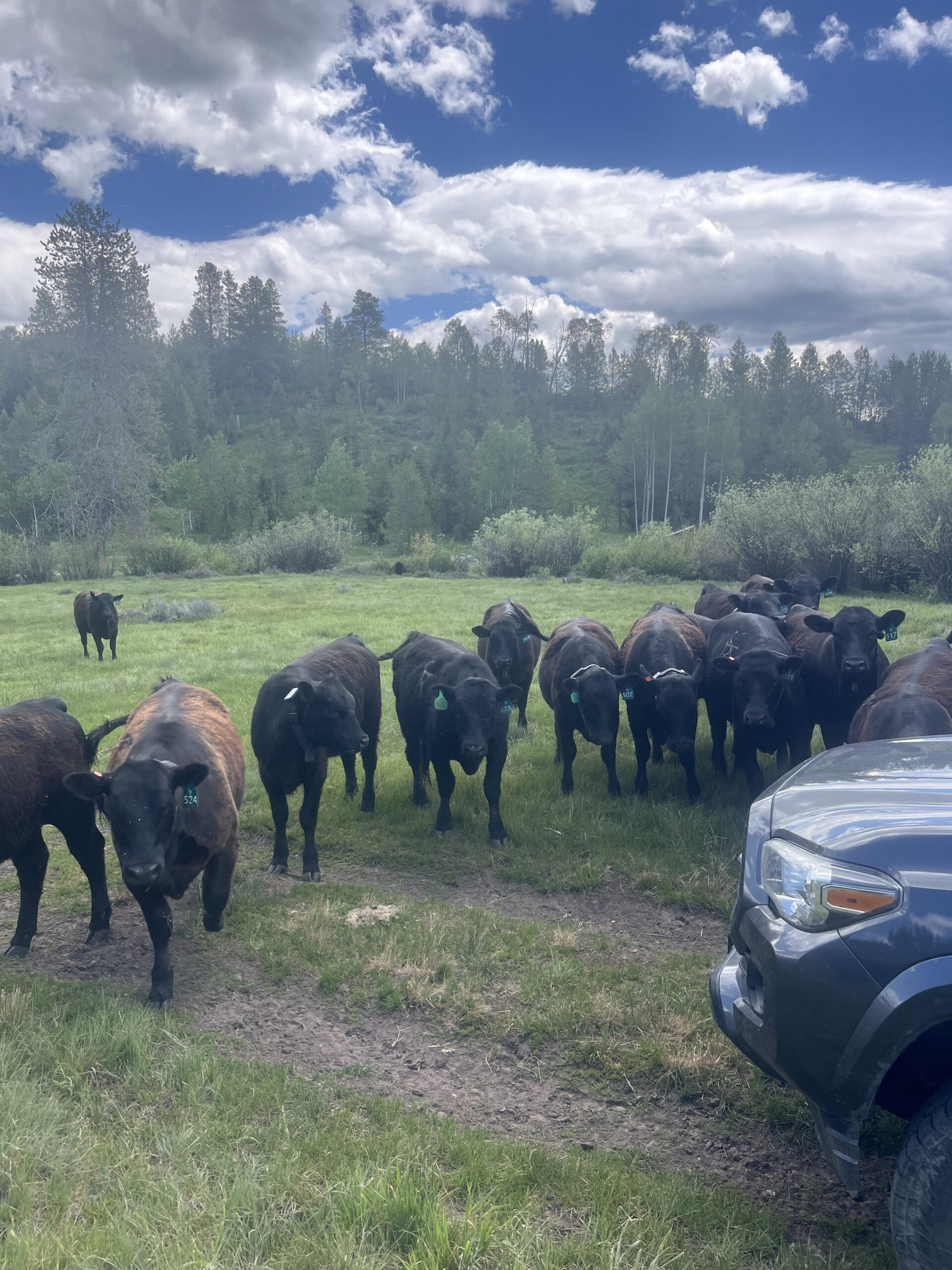
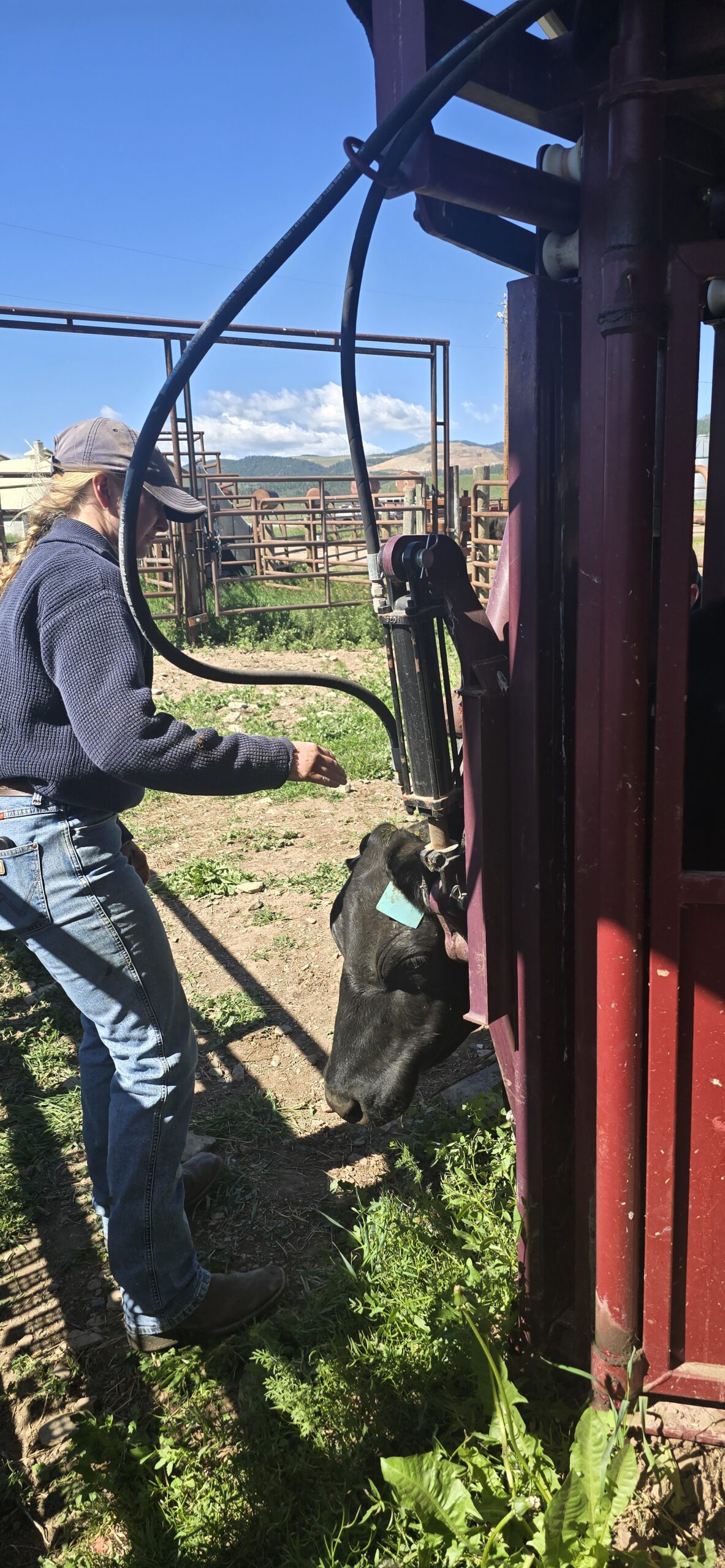
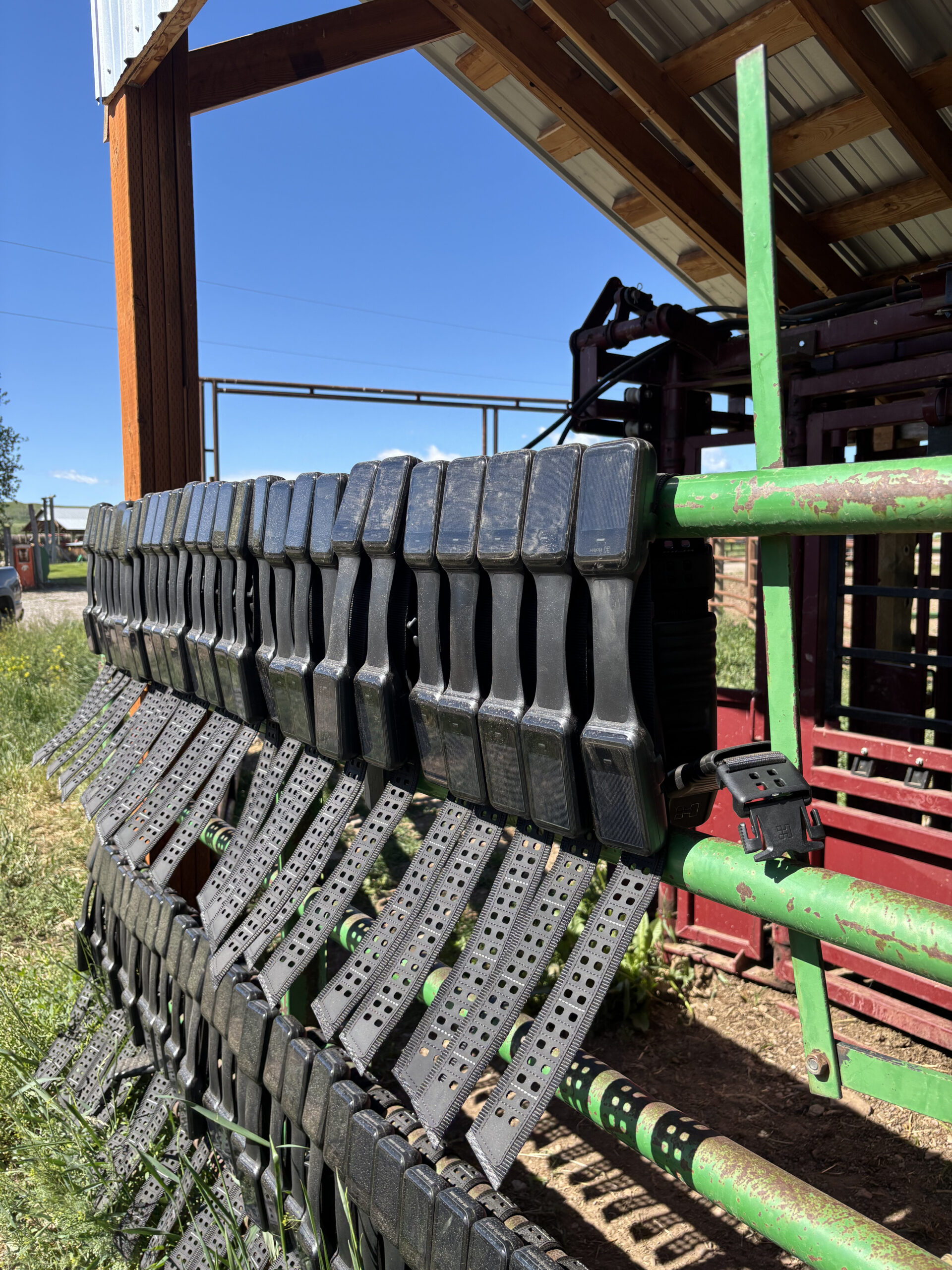
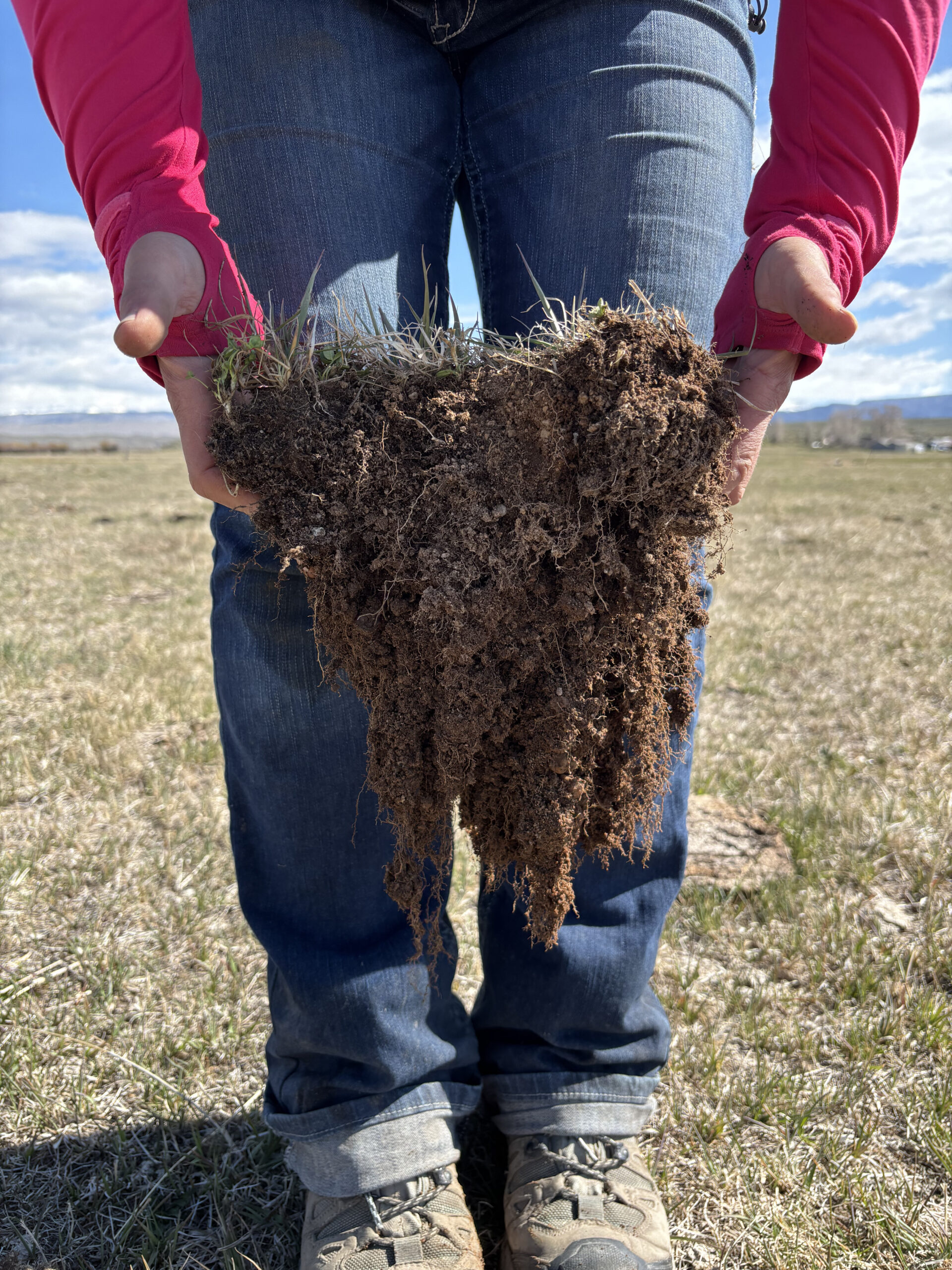
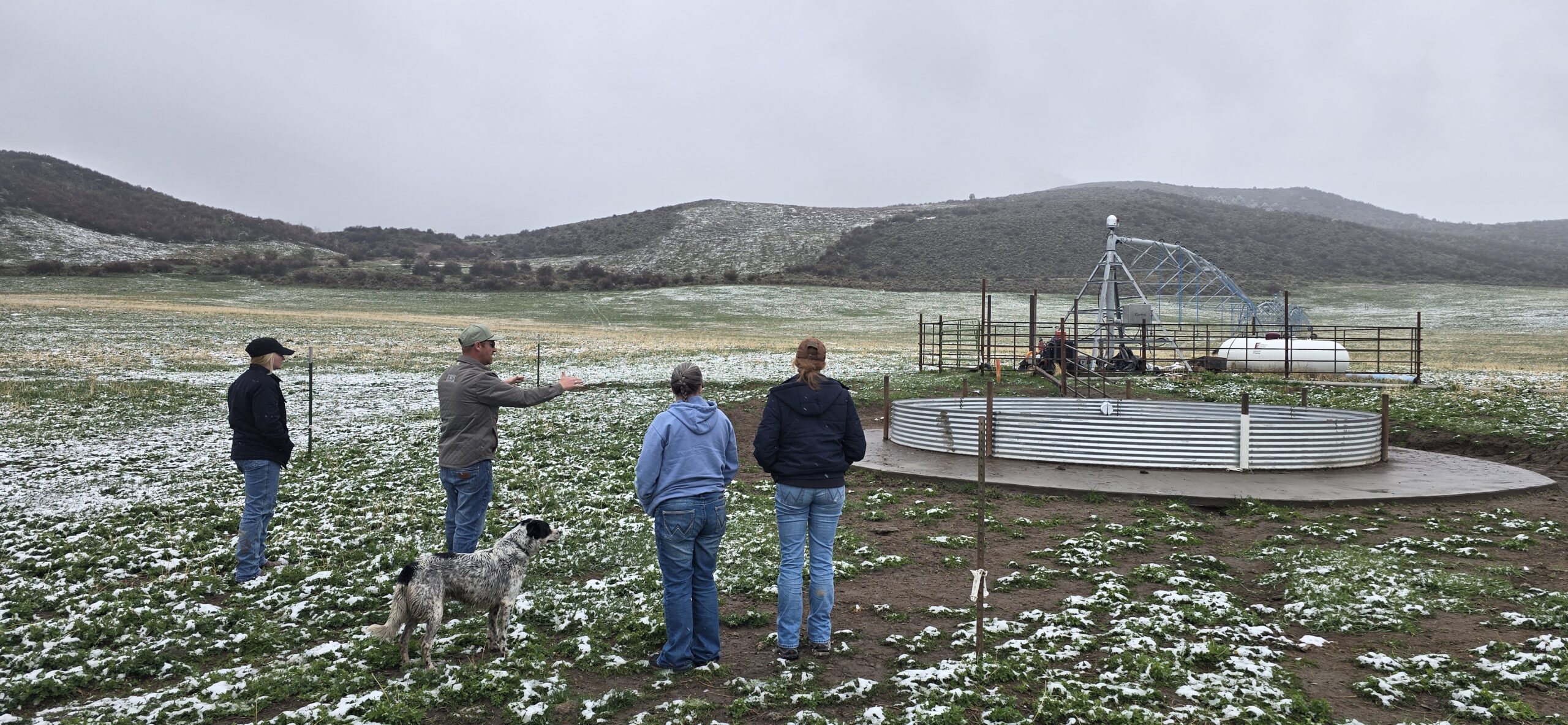
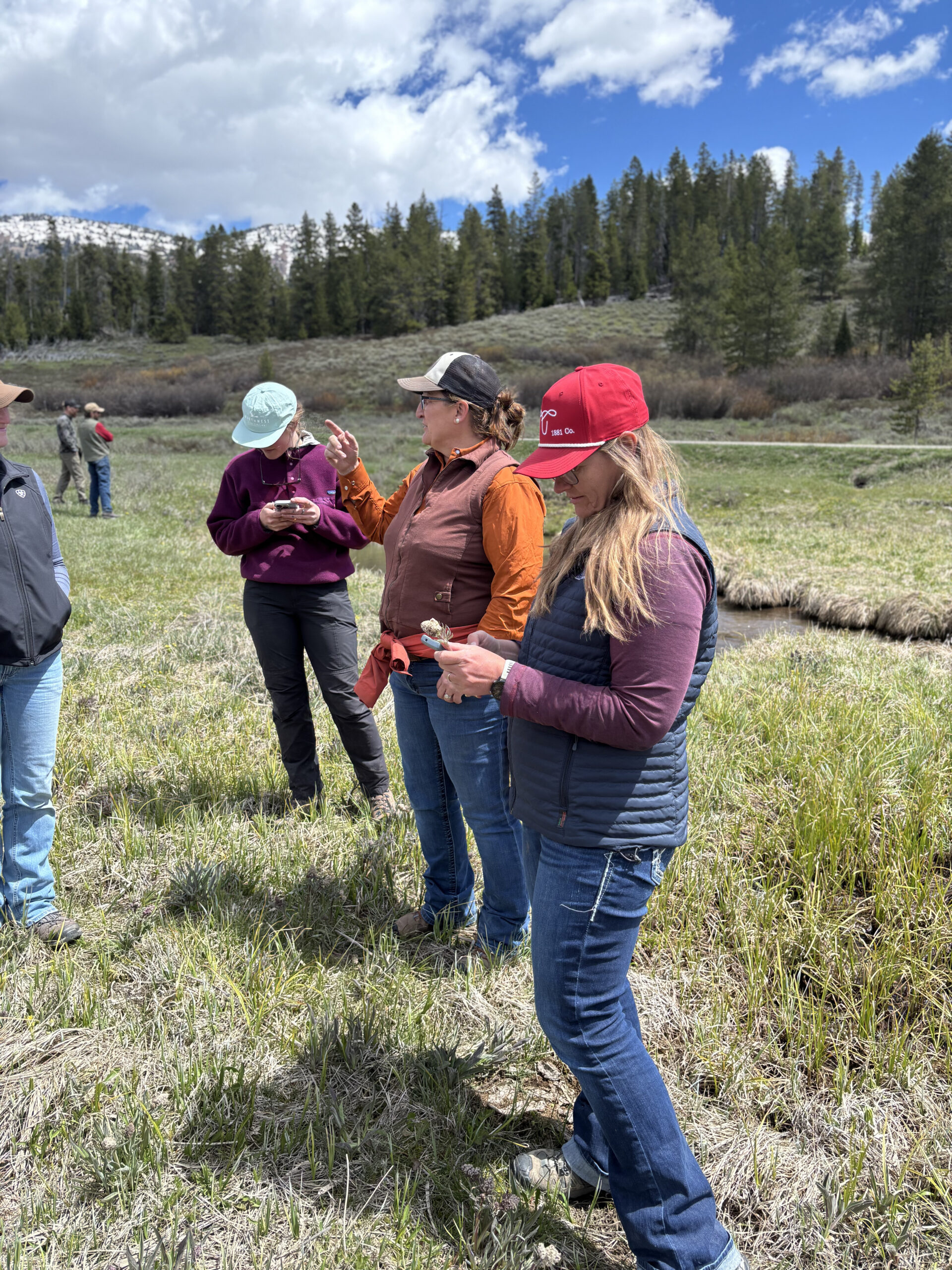
Federal agencies and conservation organizations increasingly recognize virtual fencing as a viable and forward-thinking range management tool. Pilot projects have been explored across several western states, working alongside ranchers to evaluate how GPS collar technology can improve and reduce rangeland conflict. Organizations have expressed interest in supporting broader adoption, citing the technology's potential to protect sensitive habitat corridors while keeping working ranches economically viable.
"Our traditional way of ranching isn't going to change much. Even though we are more techy with Halter and the virtual fencing, its a tool for us and I think it complements it. We have some springs that flow pretty much year round and instead of fencing them off with barbed wire, we actually use the virtual fence to keep the cattle out of there from mucking it up. So the springs stay open when the cattle are gone, and the wildlife can still get in there and get a drink." — Gene Paul Pearson, Sublette County rancher, Wyoming
 © 2026 Stock & Steward, all rights reserved.